PRODUCT GROUPS

Please contact immediately for all your questions, requests and needs...

 0850 480 80 84

WE
THANK YOU
30th YEAR
As Pimak family, we thank our valued customers and associates. Hoping to be and stay together by adding quality and value to our business ...
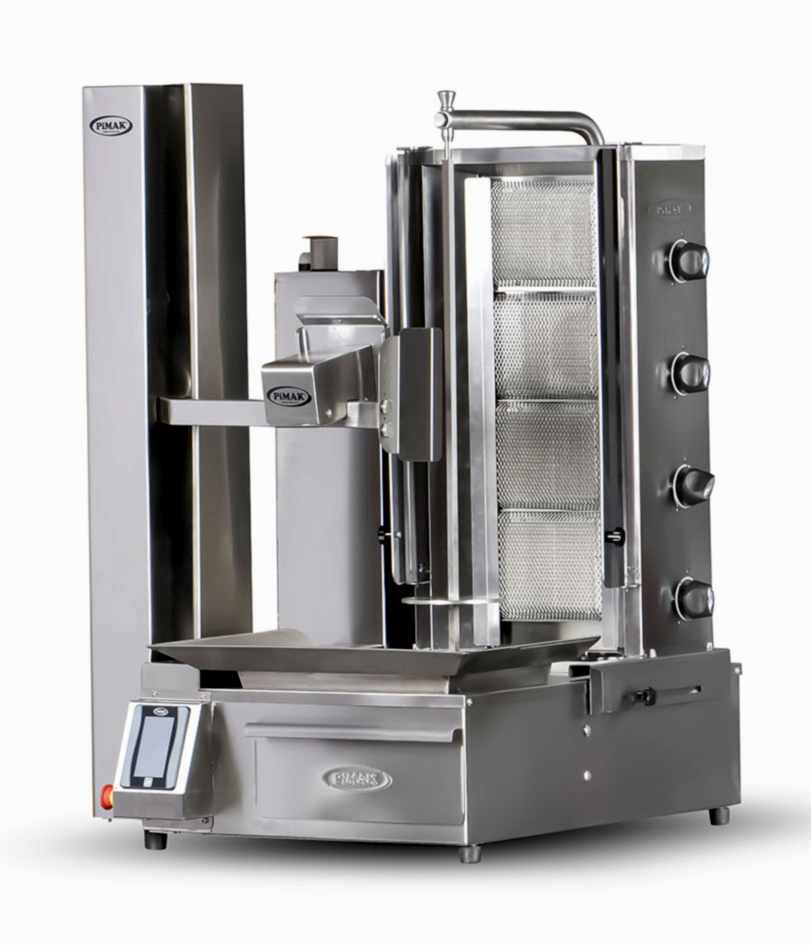
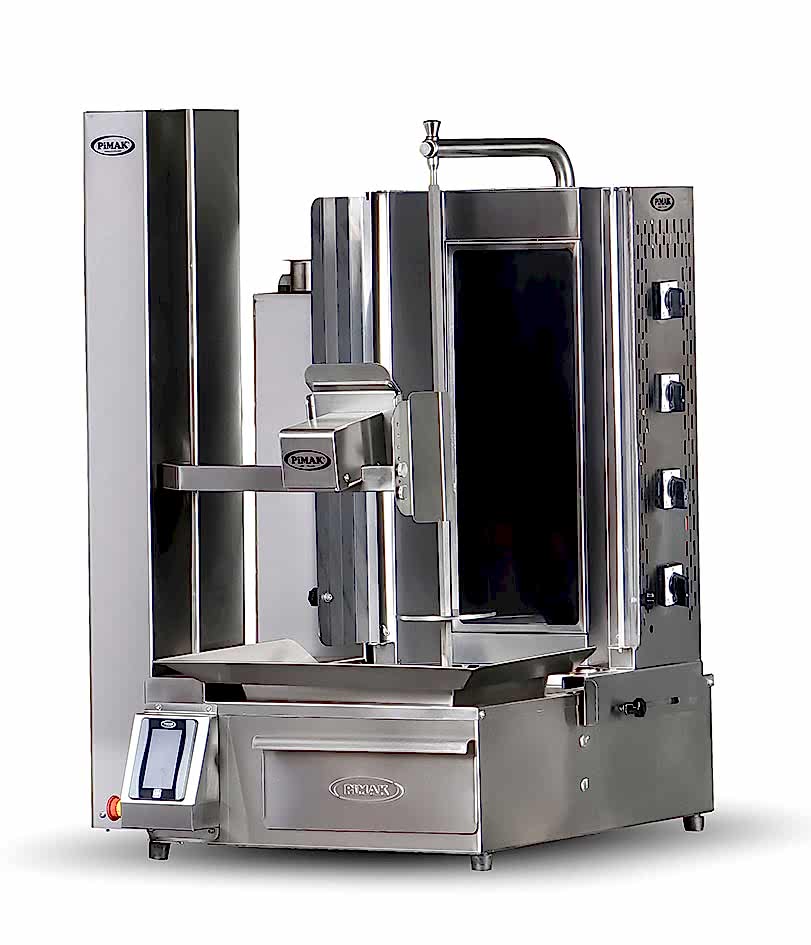
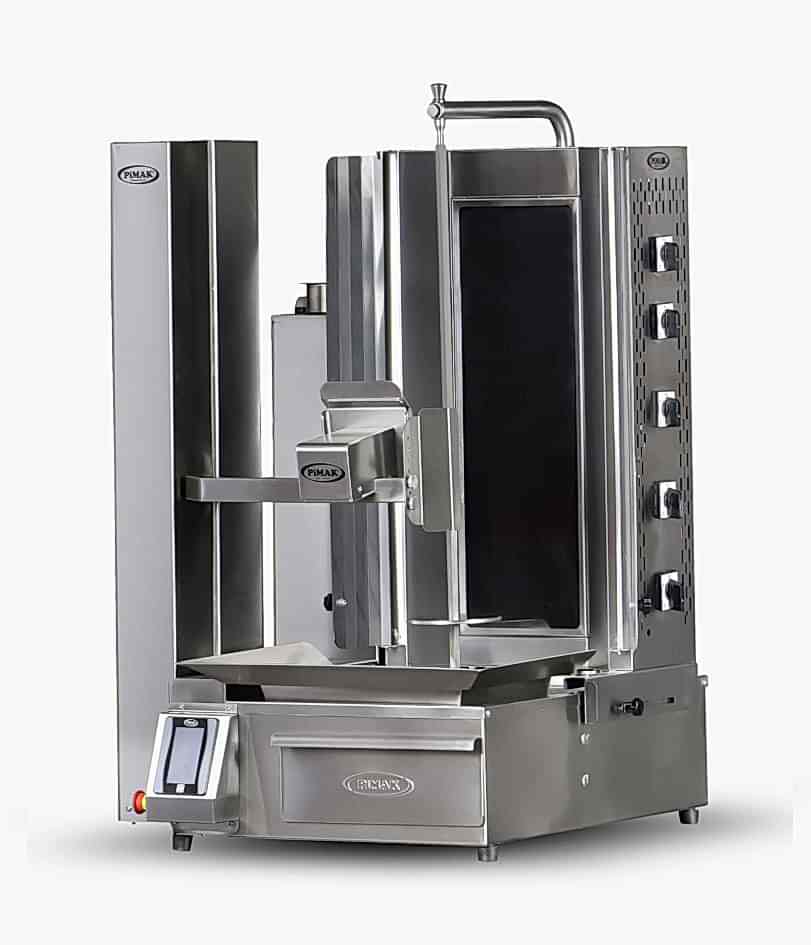
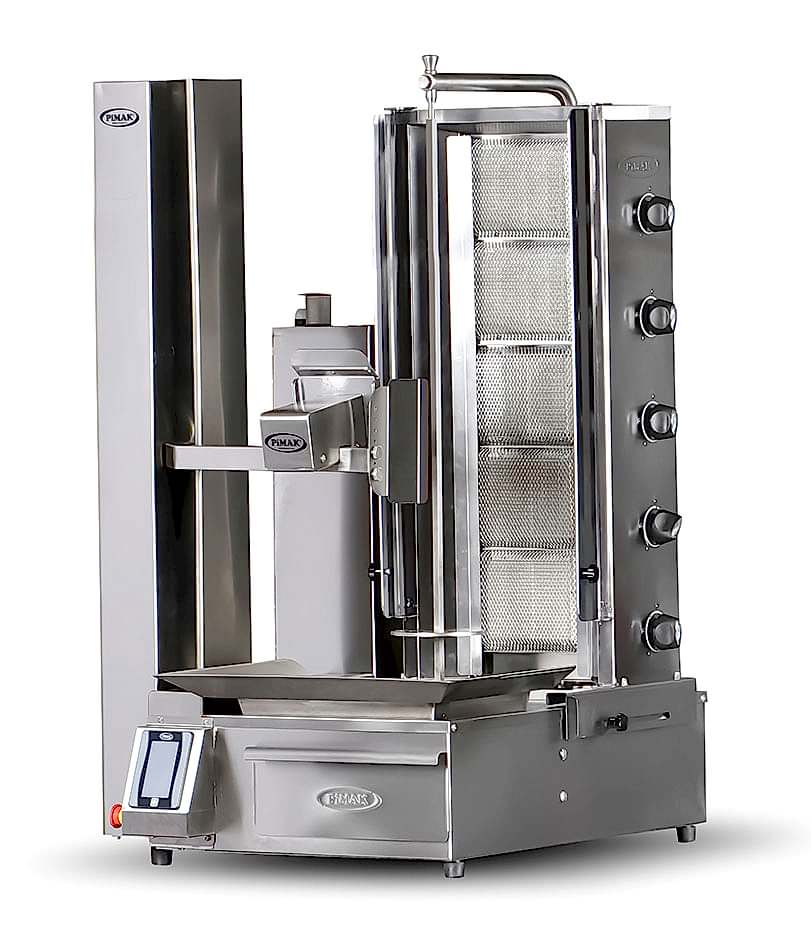
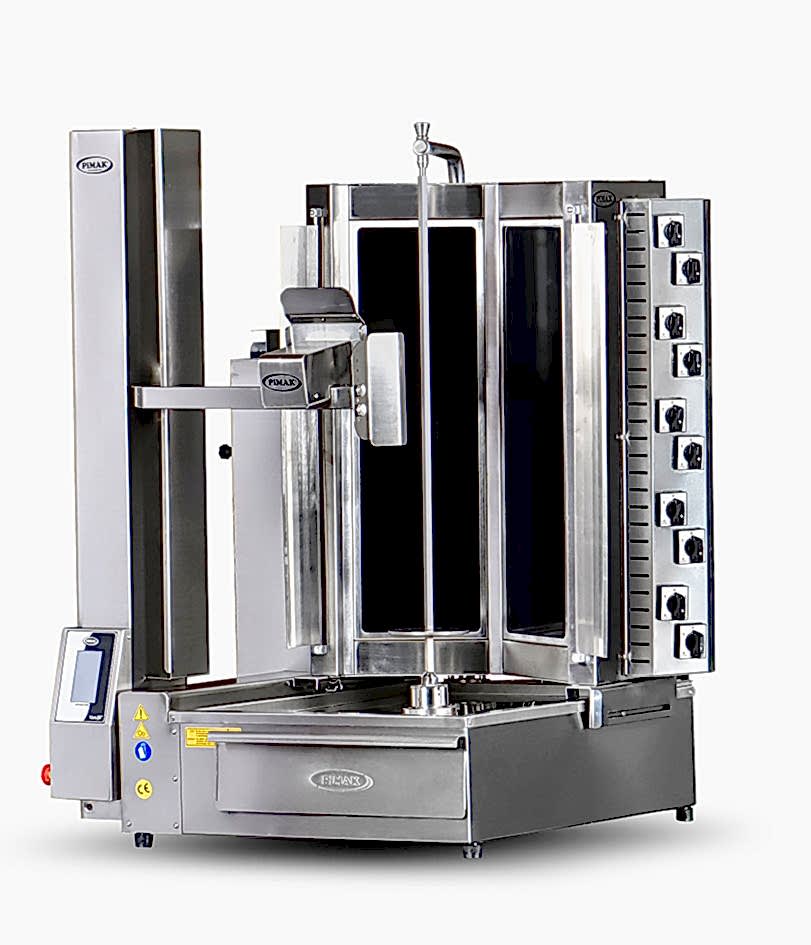
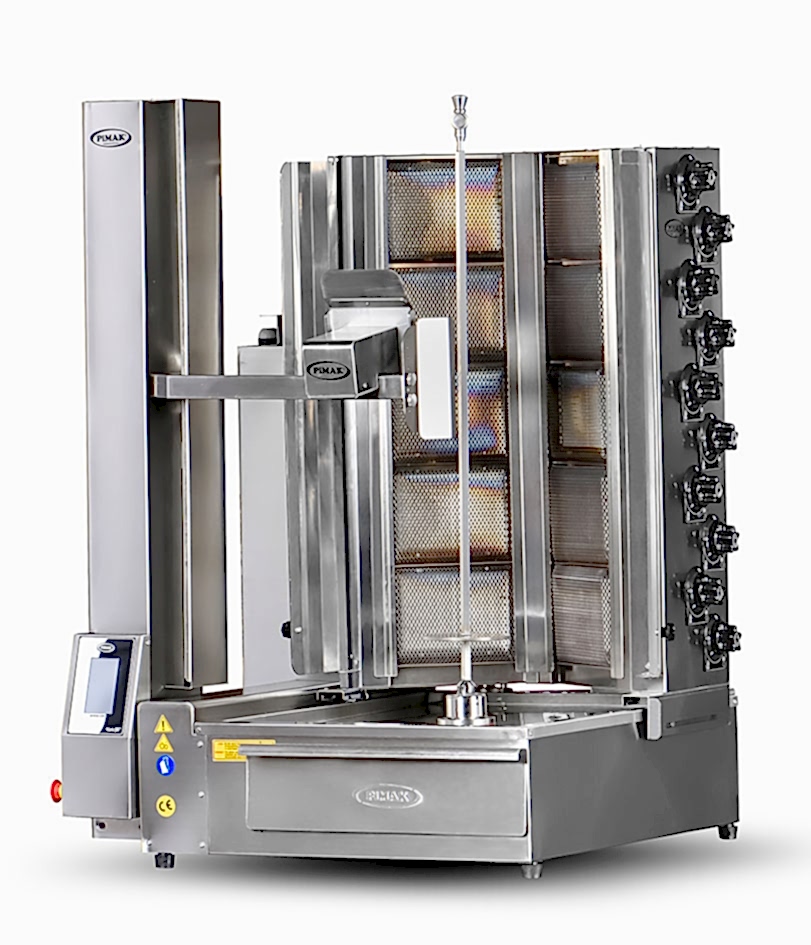
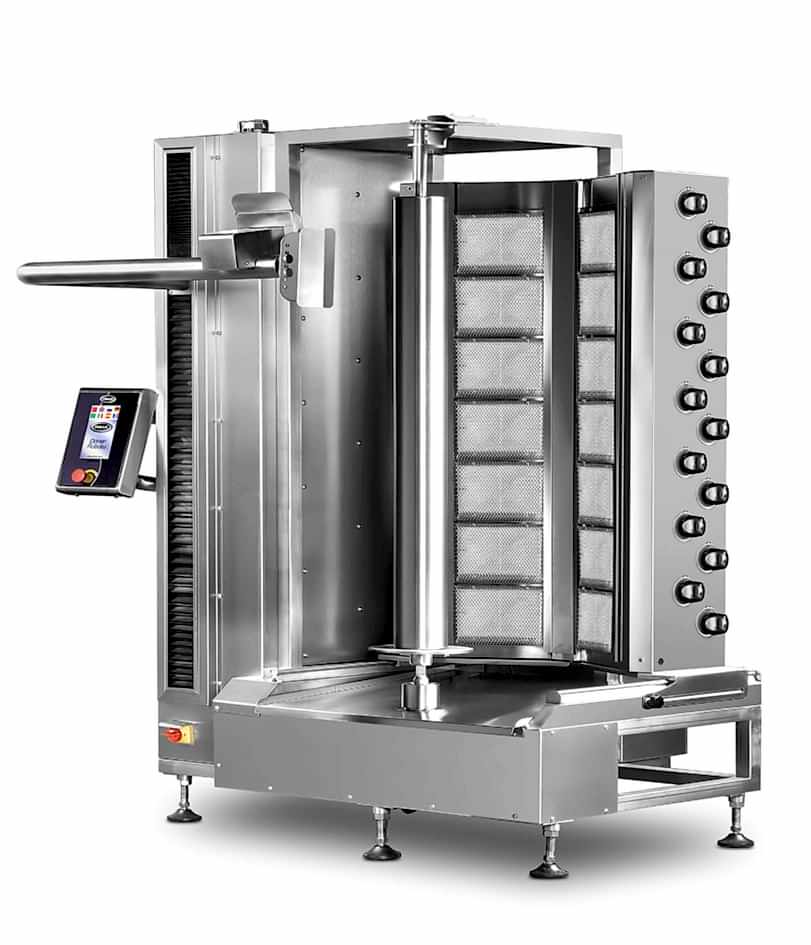
A doner robot is a modern kitchen equipment that automates the doner cooking process and minimizes human error. This system has become increasingly important, especially for high-volume businesses, as it ensures consistent cooking quality and operational efficiency.
What Is a Doner Robot?
A doner robot is an automated machine that enables controlled cooking and slicing of doner meat. These devices precisely manage heat control, standardizing the cooking process. They stand out as automation-based solutions developed to meet high customer demand in professional kitchens.
The main purpose of this system is to reduce labor dependency while ensuring the same quality doner is served to every customer. As a result, product quality is maintained, staff workload is reduced, and service speed increases.
The working principle of a doner robot is based on sensors that detect the optimal cooking point of the meat and create an automatic cycle. The device measures the surface temperature of the doner and increases or decreases heat when necessary. This ensures the meat is cooked evenly inside without burning on the outside.
Most models include an automatic slicing mechanism. This mechanism produces slices at the desired thickness, leaving only the serving task to the operator. This process improves product appearance and makes portion control easier.
The primary function of a doner robot is to automate the cooking process, providing speed, consistent quality, and cost advantages for businesses. It reduces the need for skilled doner masters, simplifying staff planning. It also prevents waste by ensuring equal portion slicing.
Another major advantage is improved hygiene. Minimal contact with the meat creates a safer food production process. It is an ideal technology for businesses that require clean and controlled production, especially during peak hours.
Doner robots provide significant advantages in businesses with heavy customer traffic. Fast food restaurants, doner chains, and shopping mall outlets are the most common users of these systems. Robotic solutions offer a major competitive advantage for businesses focused on speed and standardization.
They are also preferred by hospitals, schools, and large factory cafeterias involved in mass food production. Catering companies frequently use robotic doner systems due to their consistent portioning benefits.
Doner robots reduce operational costs and accelerate kitchen workflows. Their greatest benefit is maintaining the cooking process independently of human control, eliminating quality fluctuations.
Key advantages include:
Standardized Cooking: Consistent taste and texture in every portion
Time Savings: No need for staff to constantly monitor cooking
Improved Hygiene: Reduced contact with meat enhances food safety
Reduced Waste: Robot-controlled slicing ensures portion consistency
Energy Efficiency: Smart sensors heat only when necessary
Increased Capacity During Peak Hours: Faster service improves customer satisfaction
Doner robots vary based on usage type, energy source, and automation level. Choosing the right model according to business capacity and workload is essential. Durability, energy consumption, and ease of use should be carefully considered.
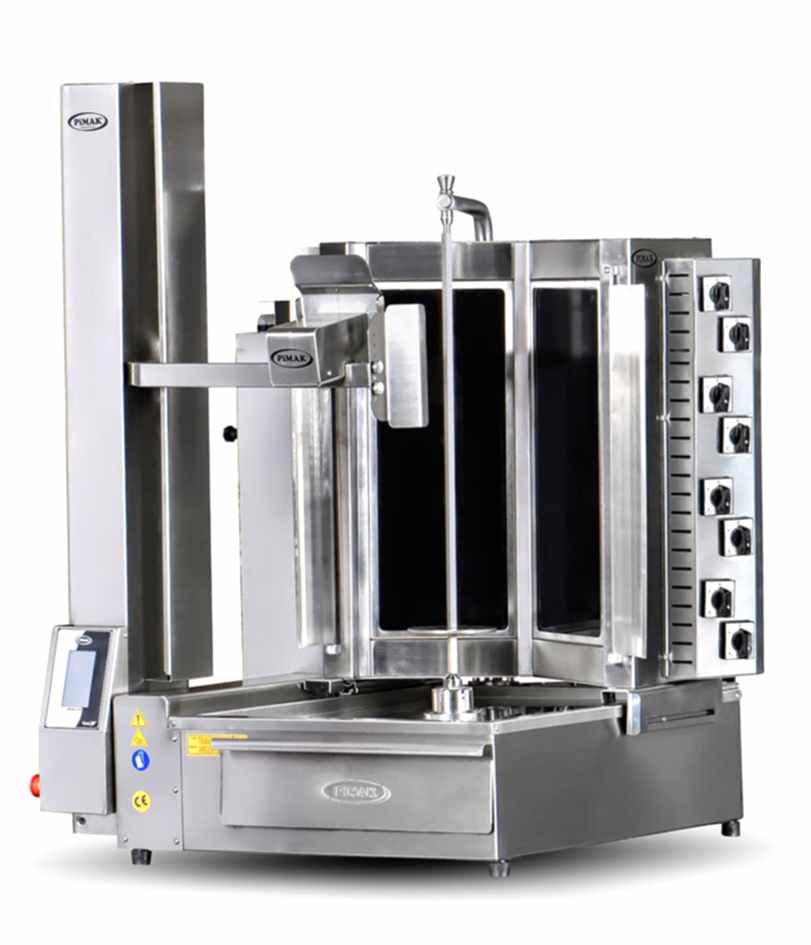
Electric doner robots use electricity as their heat source and offer ease of use. With digital systems providing precise heat control, cooking quality is very high. They are especially preferred in shopping malls and indoor restaurants.
These models are considered safer than gas-powered alternatives and feature smart energy optimization modes that reduce long-term costs.
Gas-powered doner robots are preferred by businesses requiring high heat output. Their fast cooking performance provides a major advantage during peak hours and ensures even cooking for large doner blocks.
They are commonly used in outdoor venues and large restaurant chains. Gas pressure enables controlled heating and shorter cooking times.
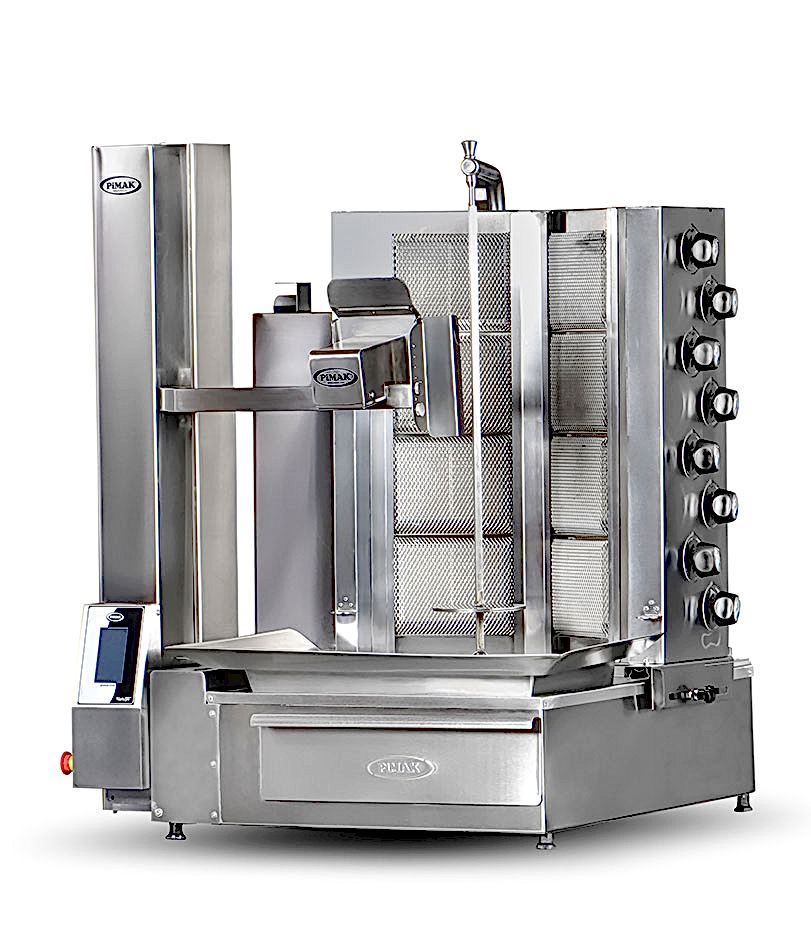
Industrial doner robots are designed for high-capacity production environments. They feature durable systems capable of cooking large meat blocks steadily over long periods, making them ideal for factory cafeterias, catering companies, and large-scale restaurants.
Their main strengths include powerful motors, wide cooking surfaces, and automatic slicing and timing functions.
Automatic doner robots manage both cooking and slicing processes independently. Sensor-controlled systems significantly reduce labor needs and standardize production without requiring constant supervision.
Doner chains frequently use these models to maintain consistent quality regardless of customer volume, with automatic slicing ensuring portion balance.
Rather than providing exact prices, general evaluation is more appropriate. Doner robot costs vary depending on capacity, automation level, energy type, and manufacturer. Large businesses typically choose high-capacity industrial models, while smaller operations prefer compact units.
When selecting a model, businesses should consider not only the initial cost but also long-term benefits such as energy savings, reduced labor, and portion control. Therefore, return on investment is often achieved quickly.
A doner robot is a powerful investment in terms of standardization, time savings, and hygiene. Choosing the right model for your business capacity allows faster, more efficient, and safer production. Seeking expert guidance ensures the best results.

© 1991 - 2021


 Home Page